NFF Diversity in Agriculture Leadership Program 2026
Australian agriculture has long recognised the importance of investing in better equipment, stronger infrastructure and safer work practices. Increasingly, the conversation is expanding to include something just as important: the people behind the work.
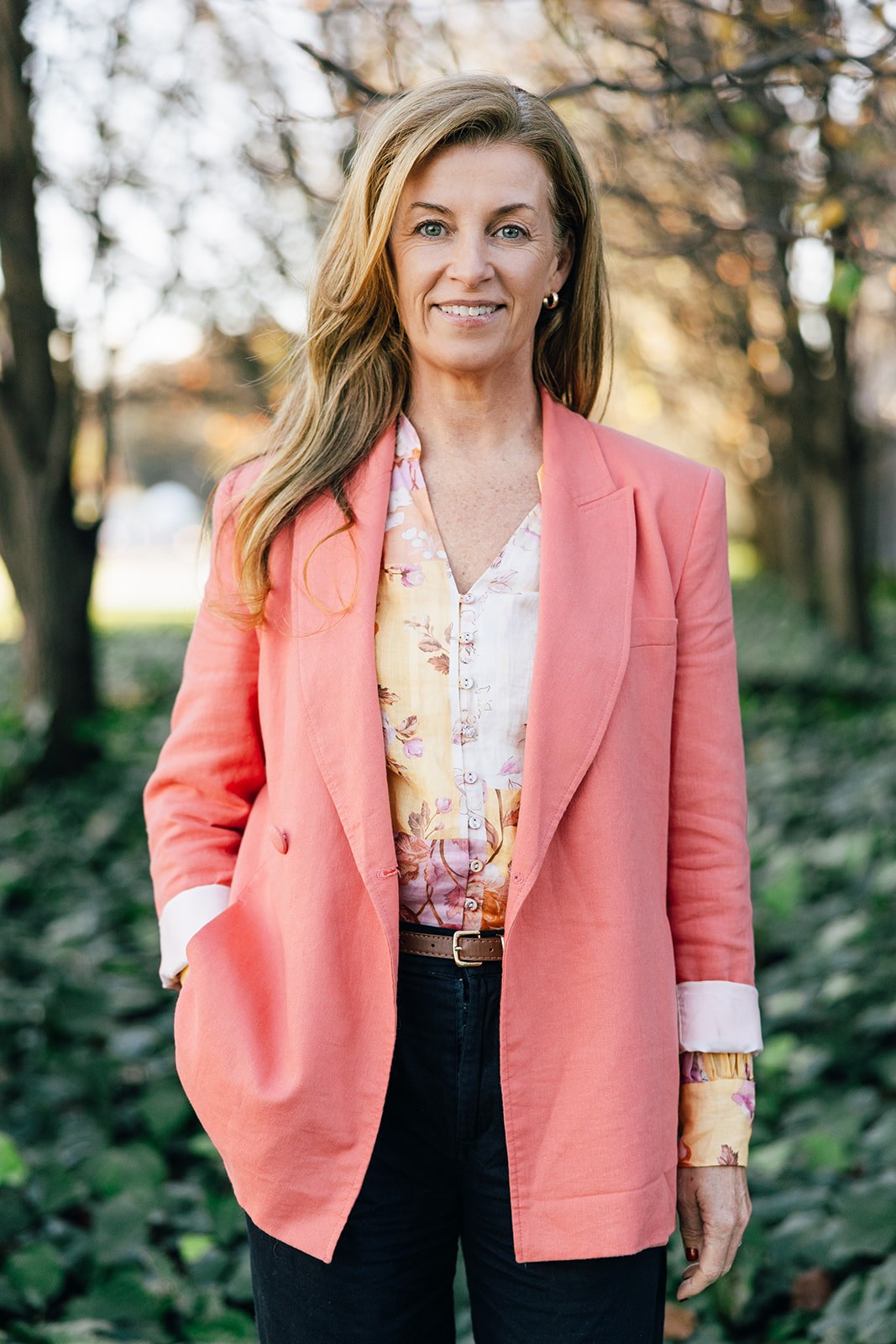
The National Farmers’ Federation’s Diversity in Agriculture Leadership Program invests in the next generation of female leaders by building their confidence, capability and influence across Australian agriculture. Sam Pritchard was selected as part of the 2026 cohort.
Her work focuses on one simple but powerful idea: safety systems work best when they are designed around the people using them. Throughout agriculture, workers arrive with different experiences, backgrounds, languages and ways of learning. Yet many traditional workplace systems still assume everyone absorbs information in exactly the same way.
For Sam, creating safer workplaces means recognising those differences rather than expecting people to adapt to systems that may unintentionally exclude them. This is particularly relevant for people with dyslexia and other forms of neurodiversity, who are well represented throughout agriculture.
When we design safer systems around people, rather than expecting people to fit the system, everybody benefits.
In conversation
Your work often centres on the idea that people are agriculture’s greatest asset. What does that philosophy mean to you?
I believe that productivity and safety are interconnected, and I love bringing out the best in people. I take a holistic approach to farm safety: how people are managed, how they are feeling, how they learn, the pressures they are under, the culture around them.
You recently attended the NFF Diversity in Agriculture Leadership retreat. How has that experience influenced your thinking?
It was life changing. NFF CEO Michael Guerin showed us how it’s done. He gave us permission to be human. To be vulnerable. To be honest and open to the discomforts that can come with leadership. And because he showed up that way, so did we. If we want a team that truly cares about our business, then as leaders we need to be human and curious and ask more questions.
Why is it important that safety information recognises that people don’t all process information in the same way?
I had 19 dyslexic workers across several farms. 18 had never told their boss of their dyslexia. Dyslexic thinkers are brilliant problem-solvers and have excellent spatial awareness, but if we do not understand their challenges and hand them text-heavy safe work procedures and lengthy work instructions sent as text messages, we are building barriers to unleashing their skillsets. To bring out the best in our people, we need to design for all learning styles and languages.
If there was one thing every farm leader could do tomorrow to make their workplace safer and more inclusive, what would it be?
Get curious. Ask your team more questions. Who are they outside the farm? What is the most dangerous job they do on the farm? What could the farm do better? Have casual and open conversations with each of your team members on a regular basis to increase your understanding of your people and your business.
Featured in Farmsafe Australia’s Safer Farms 2026 / Agricultural Injury and Fatality Trend Report.